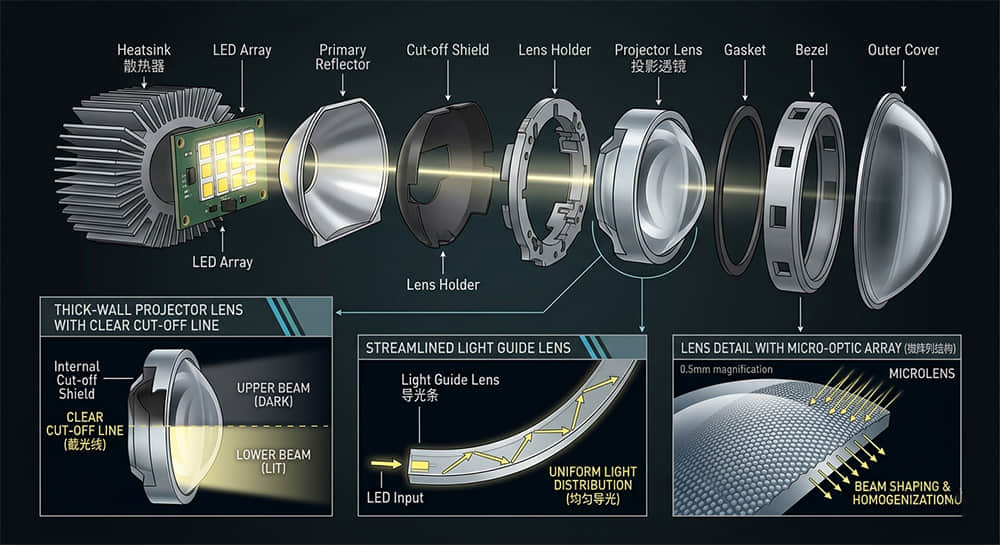
Figure 1: Exploded view of a typical LED projector lens system This diagram shows how an acrylic optical lens works with the LED array, reflector, and other components to shape and direct light precisely—exactly what makes high-performance LED lighting possible.
Acrylic (PMMA) optical lenses are the unsung heroes of modern LED illumination. These crystal-clear components control light beams, maximize brightness, eliminate glare, and dramatically improve energy efficiency in streetlights, floodlights, automotive headlights, and indoor fixtures.
Unlike glass (heavier and more expensive) or polycarbonate (slightly less transparent), optical-grade acrylic delivers 92–93% light transmission, lightweight design, and cost-effective mass production. The entire process revolves around ultra-precise injection molding—a technology that turns raw plastic pellets into perfect optical surfaces accurate to fractions of a micrometer.
Here’s a clear, step-by-step look at how these high-performance lenses are made.
1. Material Selection: Why PMMA Wins for LEDs
The heart of every lens is optical-grade PMMA (most commonly Mitsubishi VH001 or equivalent high-purity grades).
Why it’s perfect for LEDs:
Extremely high clarity (>92% transmission at 3 mm thickness)
Excellent flow properties for complex free-form surfaces
Strong UV resistance for outdoor use
Low cost and recyclable
Alternatives when needed:
Polycarbonate (PC) for higher heat resistance (up to 110–120 °C)
Liquid silicone rubber (LSR) for tiny lenses directly over the LED chip
Glass for ultra-premium applications
Critical pre-step: PMMA must be dried at 80–90 °C for 3–6 hours until moisture is below 0.04%. Even tiny water content causes silver streaks, bubbles, or yellowing—defects that ruin optical performance.
2. Mold Design & Development: The “Heart” of Optical Quality
The mold is where the magic—and the biggest investment—happens. An optical lens mold must produce surfaces smoother than a mirror (Ra < 0.0002 μm) with no visible flow lines or weld marks.
Key design principles:
Shrinkage compensation — PMMA shrinks 0.4–0.7%; the mold cavity is precisely oversized.
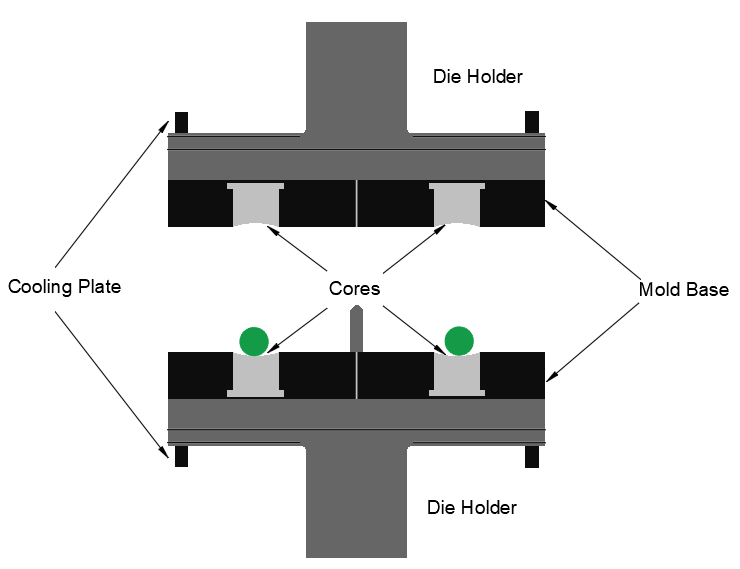
Figure 2: Precision mold core structure The heart of the mold—cooling plates and optical cores—ensures every lens comes out perfectly flat and stress-free.
3. The Production Process: From Pellet to Perfect Lens
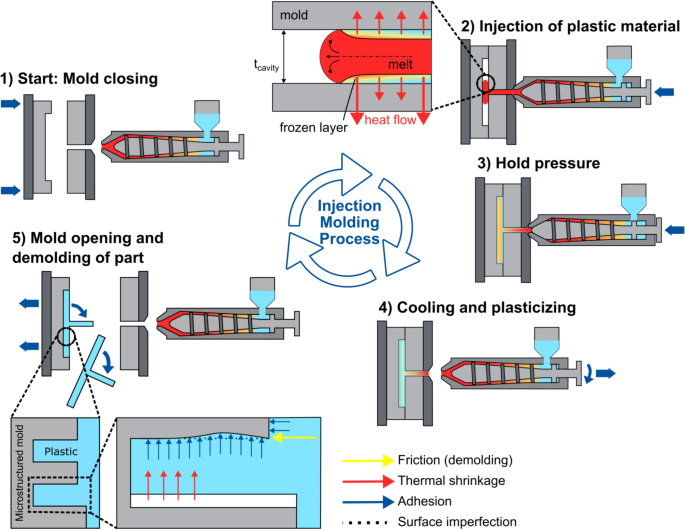
The actual manufacturing follows a tightly controlled injection-molding cycle:
Mold closing
Injection — Melted PMMA (200–260 °C) is injected slowly then packed under high pressure.
Holding pressure — Prevents sink marks and maintains optical accuracy.
Cooling — Uniform cooling while the part solidifies.
Mold opening & ejection — Robotic removal to avoid scratches.
Special techniques for LEDs:
High mold temperature (60–90 °C) + multi-stage injection to reduce birefringence
Extended packing and cooling times
Post-molding annealing to relieve residual stress
Steam or flame polishing for ultimate surface clarity
Figure 3: The full injection-molding cycle Every second counts—precise temperature, pressure, and timing turn transparent pellets into flawless optical lenses.
Auxiliary systems: Precision mold-temperature controllers, dehumidifying dryers, and six-axis robots.
Environment: Class 10,000 cleanroom; operators wear anti-static suits, gloves, and masks. Dust is public enemy #1.
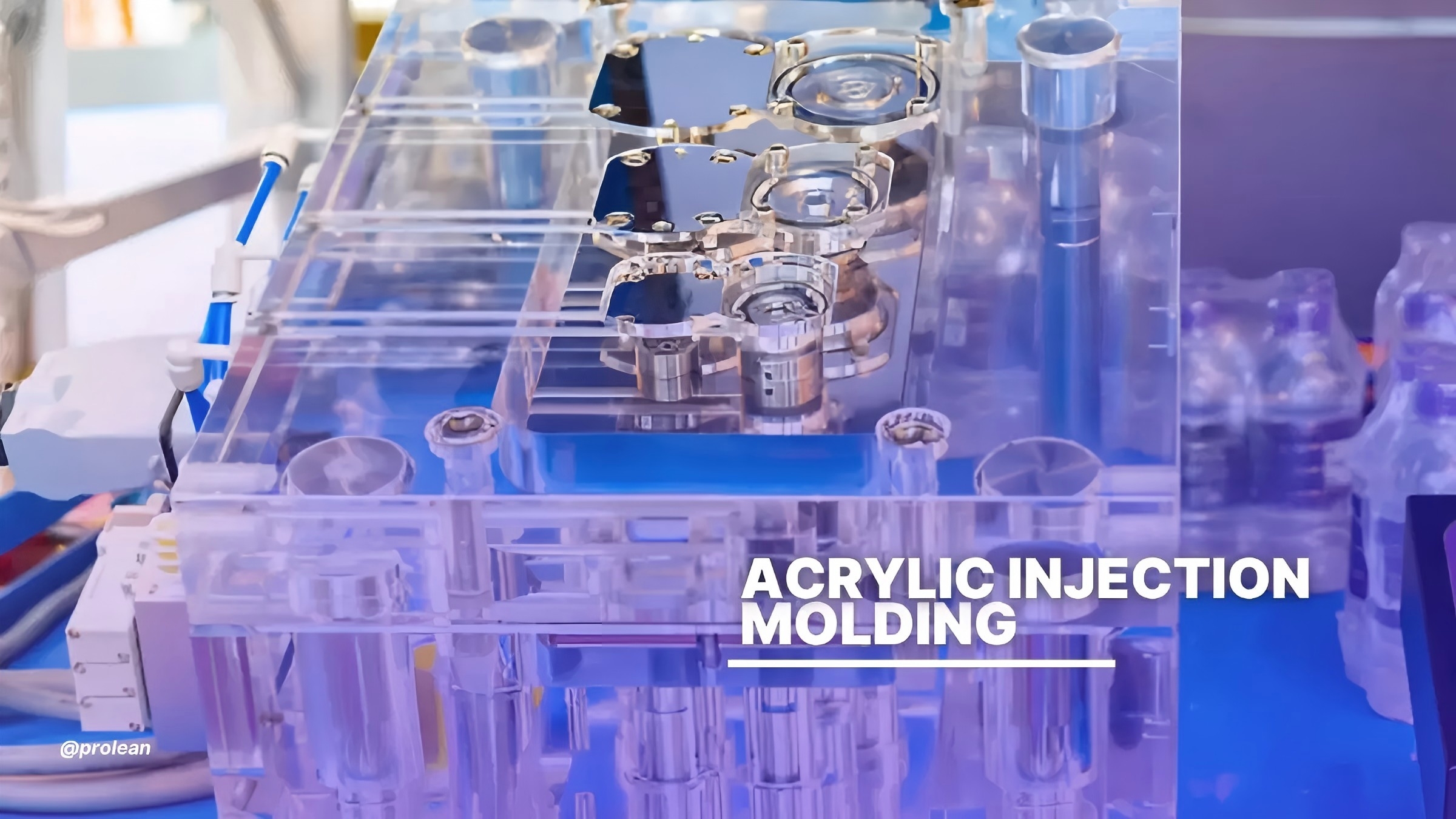
Figure 4: Real optical-grade acrylic injection mold A transparent multi-cavity mold in action—every cavity produces identical high-precision lenses.
5. Quality & Yield: Reaching 90%+ Good Parts
With optimized processes, yield rates routinely exceed 90% in volume production.
Common challenges & solutions:
Black spots/yellowing → Strict drying + temperature control
Warpage → Uniform cooling + Moldflow simulation
Birefringence → High mold temperature + slow fill + annealing
Surface defects → Cleanroom + robotic handling
Every batch is 100% inspected with optical scanners, stress meters, and beam-angle testers before anti-static packaging.
Why This Matters for LED Lighting
A perfectly manufactured acrylic lens can increase system efficiency by 10–30%, reduce power consumption, and extend LED lifespan. That’s why leading lighting brands invest heavily in precision tooling and process control.
From raw pellets to million-lumen streetlights, every acrylic optical lens is the result of science, engineering, and meticulous craftsmanship.
Next: Advanced Stage Lighting Optics
Phantom Aura760XP: Mastering Multi-Effect LED Optics in Professional Moving Heads
Dive deeper into high-performance stage lighting with our next article, exploring the advanced optical design of the Phantom Aura760XP—a 7×60W RGBW LED moving head featuring Aura ring, Bee Eye pixelation, and edge glow effects. Learn how precision PMMA lenses and hybrid optical systems deliver dynamic beam control, vibrant washes, and stunning visual impact for concerts, theaters, and large events.
Ready to bring better light to the world? Whether you need custom LED lenses, prototype tooling, or high-volume production, our team specializes in exactly this process. Contact us today for a free optical simulation and quotation.
Published by [Wincode Optronics] — Experts in Stage Lighting Optical lens for LED Illumination